Labradorite necklaces and rings in 925 sterling silver
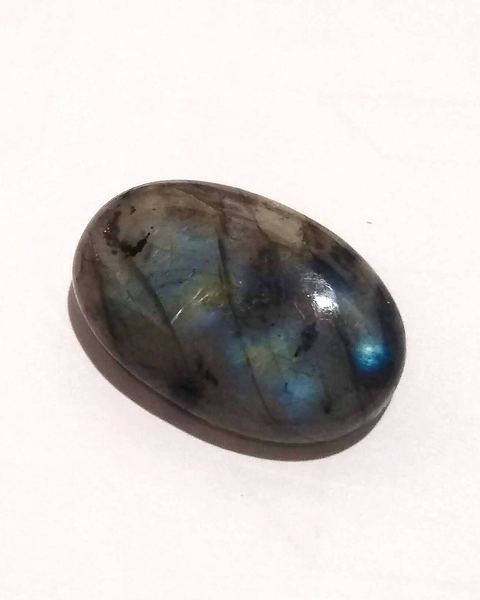
A dark gray body that flashes blue, green and gold as it turns in the light. It suits plain silver and dark clothes.
Treatment: unknown. Each listing states the treatment of that piece separately.

In tradition
It is named after Labrador in Canada; its type locality is Paul's Island near the town of Nain.1,2
The stone is said to have been found there in 1770 by a Moravian missionary.1
The most richly colored labradorite from Finland is called “spectrolite”; the name has since been applied loosely to fine stones from other places.1,2
The spectrolite deposit is said to have been found in 1940 at Ylämaa while the Salpa Line fortifications were being built.2
Pieces with this stone
There is no piece with this stone on the site right now. Write to us if you would like a piece with this stone. Get notified when new pieces arrive.
About the stone: color, hardness and care
- Color
- Gray to blackish body with blue, green and gold flashes; Finnish spectrolite can also show pink, orange and purple1,2
- Hardness (Mohs)
- 6–6.51
Care
- Knocks
- It has perfect cleavage in two directions and can break on a hard knock, so it is happier in pendants and earrings than in rings.1
- Water
- For moonstone, a fellow feldspar, GIA recommends only warm soapy water and advises against ultrasonic and steam cleaners; use the same caution for labradorite.3,4
- Heat
- High heat or sudden temperature change can crack moonstone; keep labradorite away from flame and heat too.3